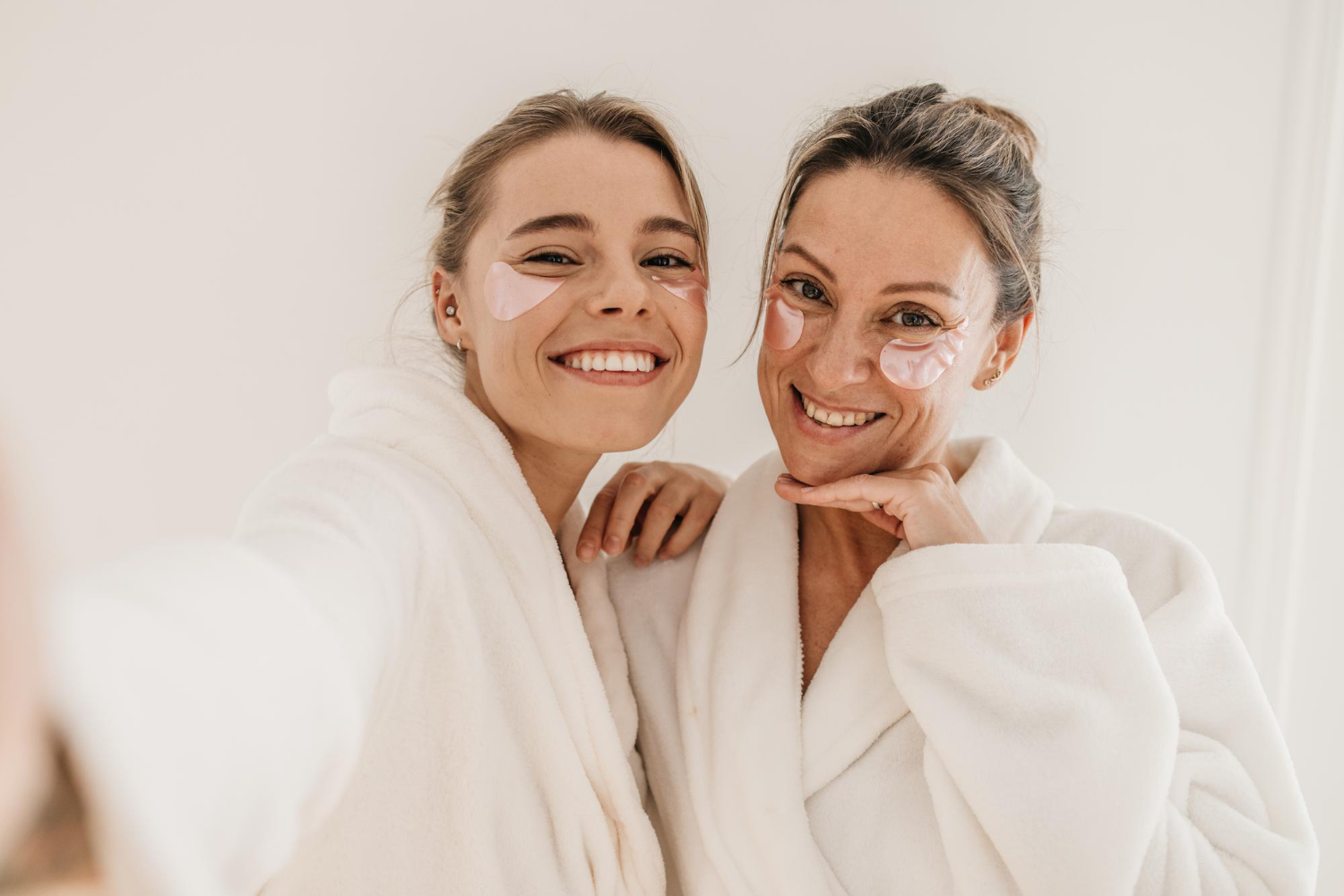


A healthy skincare routine is essential for maintaining glowing, youthful skin. However, with so many products available, it can be overwhelming to figure out where to start. Whether you’re looking to prevent signs of aging, manage acne, or simply boost your skin’s overall health, having a well-structured routine can make all the difference. In this guide, we’ll walk you through the key steps to creating a skincare routine that works for your skin type and goals.
Step 1: Know Your Skin Type
The foundation of a great skincare routine begins with understanding your skin type. Everyone’s skin is unique, and using products tailored to your skin type will ensure better results.
Here are the most common skin types:
By identifying your skin type, you can choose products that target your specific needs, ensuring the most effective skincare routine.
Step 2: Cleanse Your Skin
Cleansing is the first and most important step in any skincare routine. It removes dirt, excess oil, makeup, and impurities from the skin’s surface, allowing the rest of your products to work more effectively.
There are two main types of cleansers:
It’s essential to cleanse your skin both morning and night to keep it fresh and clear. Be sure to avoid over-cleansing, as this can strip the skin of its natural oils and cause irritation.
Step 3: Exfoliate Regularly
Exfoliation helps to remove dead skin cells, allowing your skin to appear smoother, brighter, and more youthful. It also helps to unclog pores, preventing breakouts and promoting better product absorption.
There are two types of exfoliants:
You should exfoliate 1–3 times per week, depending on your skin type. If you have sensitive skin, it’s better to use a gentle chemical exfoliant with a lower concentration of acids. For oily or acne-prone skin, regular exfoliation with salicylic acid can help control excess oil and prevent breakouts.
Step 4: Tone to Balance Your Skin
Toners help to balance your skin’s pH after cleansing and exfoliating. They also help to remove any remaining dirt, oil, or makeup that may have been left behind. Additionally, toners can hydrate, soothe, and provide specific benefits for your skin.
There are different types of toners based on skin concerns:
Look for toners with gentle ingredients and avoid those that contain alcohol, which can be drying and irritating.
Step 5: Treat Specific Skin Concerns
This is the stage where you address specific skin concerns, such as acne, pigmentation, or wrinkles. Targeted treatments help treat your skin’s unique needs and provide faster, more visible results.
o Vitamin C: Brightens the skin, evens out skin tone, and protects against environmental damage.
o Hyaluronic Acid: Hydrates and plumps the skin by drawing moisture from the environment.
o Retinol: A powerful anti-aging ingredient that helps reduce fine lines and wrinkles by stimulating collagen production.
o Niacinamide: Reduces redness, controls oil production, and improves skin texture.
Step 6: Moisturize for Hydration
Moisturizing is crucial for keeping your skin hydrated and preventing dryness or irritation. It helps to lock in moisture and maintain your skin’s barrier function.
There are different types of moisturizers based on skin type:
Even if you have oily skin, don’t skip moisturizer. Opt for an oil-free, non-comedogenic moisturizer to maintain hydration without clogging pores.
Step 7: Don’t Forget Sunscreen
Sunscreen is arguably the most important step in any skincare routine. UV radiation is one of the primary causes of premature aging, dark spots, and skin cancer. To protect your skin from harmful UV rays, you should apply sunscreen every day, even on cloudy days or when you’re indoors, as UV rays can penetrate windows.
Make sure to reapply sunscreen every two hours, especially if you’re spending time outdoors. Step 8: Consider Your Lifestyle
While skincare products play a significant role in maintaining healthy skin, your lifestyle choices also impact your skin’s health. Here are a few tips to enhance your skincare routine:
Step 9: Stay Consistent
Consistency is key when it comes to skincare. It can take a few weeks to see noticeable changes, so stick to your routine and be patient. Avoid switching products too often, as your skin needs time to adjust and respond.
Conclusion
Creating a healthy skincare routine involves more than just choosing the right products. It’s about understanding your skin’s needs, using products that suit your skin type, and taking care of your skin through lifestyle choices. By following these steps and staying consistent, you’ll be well on your way to achieving glowing, healthy skin that you can feel confident in. Start small, build up your routine over time, and enjoy the process of caring for your skin!